















































































In the healthcare field, the attire worn by nurses plays a significant role in maintaining a professional and organised environment. Uniforms are more than just clothing — they symbolise professionalism, aid in infection control, and often communicate specific roles within a medical facility. In this guide, we explore the colours of scrubs commonly worn by nurses in Australia, what different scrub colours mean across healthcare more broadly, and why colour choice matters.
Colour Palette of Australian Nurse Scrubs
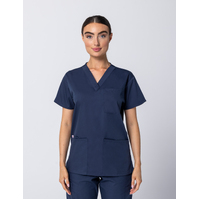
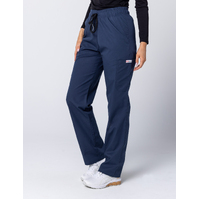
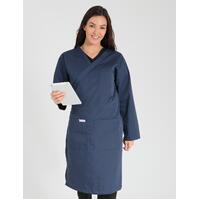
In Australia, the colour of scrubs worn by nurses is predominantly navy blue. Navy blue is widely accepted as the traditional colour for nursing scrubs across the country. This colour choice aligns with the Australian nursing tradition, where navy blue has long been associated with the nursing profession. The deep hue of navy blue exudes professionalism, cleanliness, and a sense of authority, all of which are important qualities for nurses in their caregiving roles. However, it is worth noting that the specific colour of scrubs can vary between healthcare facilities, and there might be instances where alternative colours are also used, albeit less frequently.
Reasoning Behind Navy Blue
The preference for navy blue scrubs in Australia stems from a combination of historical tradition and practical considerations. Navy blue has been associated with nursing since the early 20th century, symbolising the professionalism and dedication of nurses. Additionally, navy blue is known for its ability to hide stains, an essential factor in a healthcare setting where spills and accidents are not uncommon. This colour choice also creates a visually cohesive appearance among nursing staff, promoting unity and teamwork within the healthcare facility.
What Different Scrub Colours Mean in Healthcare
Scrub colours aren't chosen at random. They serve multiple purposes, from helping patients identify hospital staff to creating a calm and organised environment. Here's why scrub colours matter in Australian healthcare settings:
- Identification: Different colours help patients and staff quickly identify roles, which is crucial in emergency situations.
- Hygiene: Certain colours can highlight stains and spills, aiding in maintaining cleanliness.
- Psychological impact: Colours can affect mood and perception — some are calming, while others are energising.
Blue: The Calming and Trustworthy Choice
Blue is the most common colour in medical scrub tops and is often associated with calmness and trust. It's a popular choice because it doesn't distract patients and is easy on the eyes during long shifts. Blue scrubs are typically worn by surgeons and surgical staff (reducing eye strain and maintaining a sterile appearance) and nurses, often in shades from light blue to navy, symbolising reliability.
Green: Focus and Renewal in the Operating Theatre
Green is closely tied to nature and symbolises renewal and growth. In healthcare, green scrubs are known to reduce eye fatigue and provide a high-contrast environment in operating theatres. They are commonly worn by operating theatre staff (green contrasts well with the red of blood, crucial during surgery) and accident and emergency personnel, where the calming nature of green can help in high-stress situations.
White: Tradition, Purity, and Visibility
White traditionally represents purity and cleanliness, making it a classic choice in the medical field. However, due to its tendency to show stains easily, white is less common in modern scrubs. It's often worn by doctors (white coats are iconic, though white scrubs are less common) and laboratory technicians, where white helps ensure spills or contamination are immediately noticeable.
Black: Authority and Professionalism
Black is often associated with authority and elegance. In healthcare, black scrubs can convey a sense of sophistication and professionalism, sometimes worn by senior medical staff to denote experience and leadership, or administrative personnel in non-clinical settings.
Pink: Comfort and Care
Pink is a soft, calming colour that can be reassuring to patients. It's often seen in maternity wards, where it creates a warm and welcoming environment, and in paediatric care as a soothing colour for children.
Purple: Dignity and Specialisation
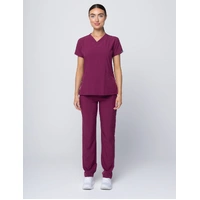
Purple is associated with royalty and can convey a sense of calm and creativity. In healthcare, purple scrubs might be worn in oncology departments to bring a sense of dignity and hope, or in specialist clinics where the colour helps differentiate staff from other departments.
Red: Boldness and Engagement
Red is a bold colour that is less frequently used in scrubs due to its association with blood. However, it can be useful in specific contexts, such as paediatric units (where red can be engaging and comforting for children) or speciality clinics that want to stand out and make a statement.
Factors Influencing Scrub Colour Choices
Several factors influence the choice of scrub colours in healthcare settings:
- Institutional policies: Some hospitals have strict colour codes to maintain consistency, often aligning with Australian health department guidelines.
- Departmental needs: Different departments may require specific colours for practical reasons, such as the need for blood-contrast in surgery.
- Cultural considerations: Colours may have different meanings in different cultures, impacting choice.
Benefits of Standardised Colour Coding
Using a standardised colour coding system can bring numerous benefits to a healthcare facility, including improved communication (patients and staff can easily identify roles), enhanced safety (quick identification of staff roles can be critical in emergencies), and team cohesion (colour-coded uniforms can foster a sense of belonging and teamwork).
The Significance of Uniformity
Uniformity in medical scrub colour serves multiple purposes in the Australian healthcare system. It helps patients and visitors easily identify nurses, ensuring they can readily recognise healthcare professionals for assistance or inquiries. It also fosters a sense of teamwork and cohesion among nursing staff, emphasising their collective commitment to patient care, and promotes a professional, organised environment that enhances communication and efficiency within healthcare settings.
Conclusion
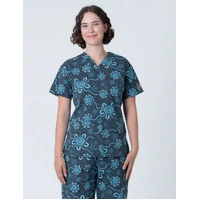
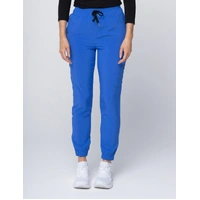
Nurses in Australia commonly wear navy blue scrubs — one of the most popular colours ordered by doctors and nurses, symbolising professionalism, cleanliness, and authority. That said, Teal, Caribbean, Black, Aubergine, and Royal Blue are also popular scrub colours today, and different colours carry different meanings depending on the department and healthcare setting. Understanding the significance of colour in nursing scrubs provides insight into both the Australian nursing profession's dedication to patient care, and the practical, safety, and psychological reasons colour coding matters more broadly.
Ready to Standardise Your Team's Look?
Discover the perfect medical uniforms for your healthcare facility. At Mediscrubs, we offer a wide range of high-quality scrubs in navy blue and many other colours and styles to meet your specific needs. Enhance team identification, improve patient experience, and ensure your staff are comfortable and professional — explore our nurse scrubs range today.