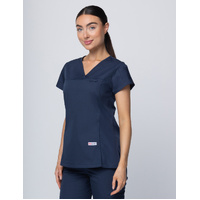
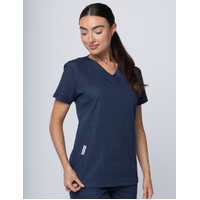
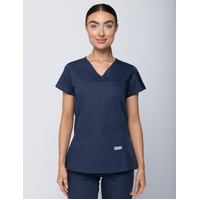
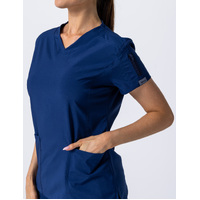
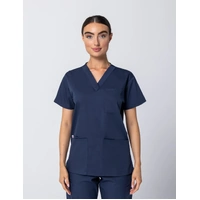
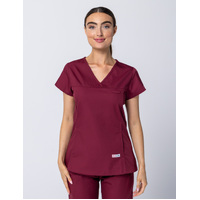
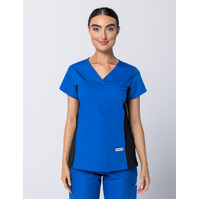
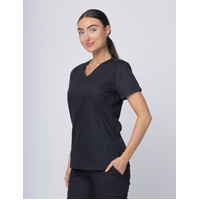
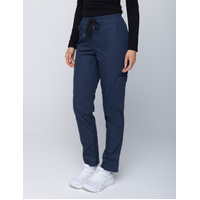
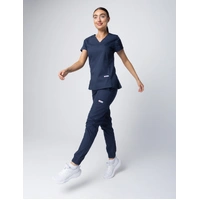
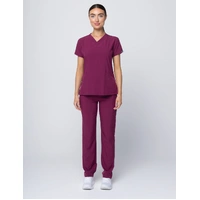
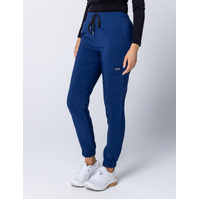
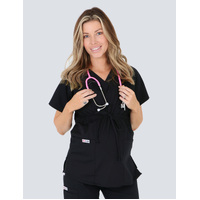
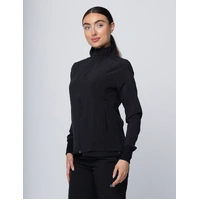
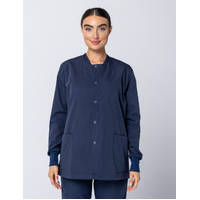
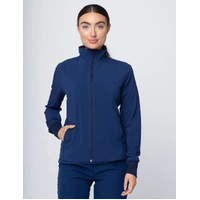
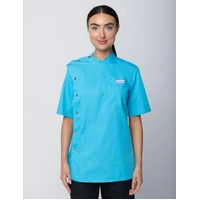
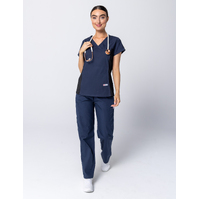
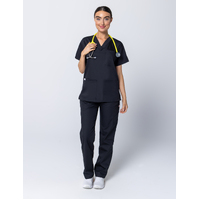
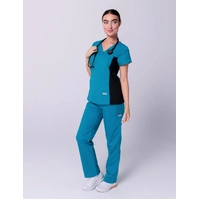
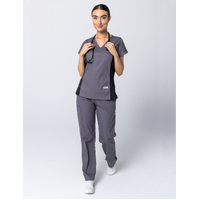
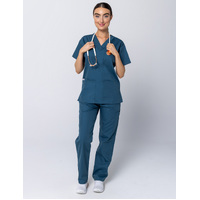
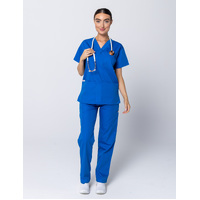
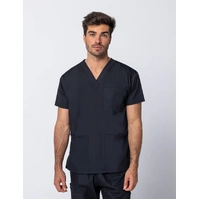
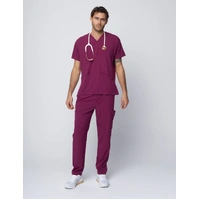
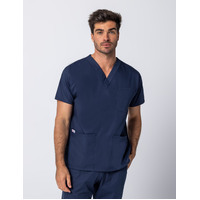
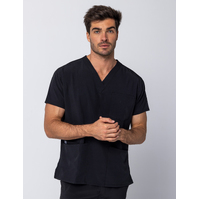
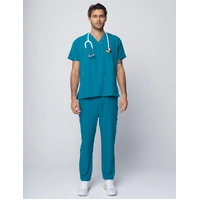
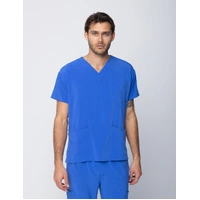
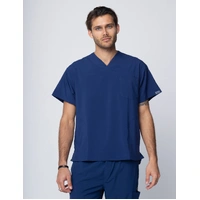
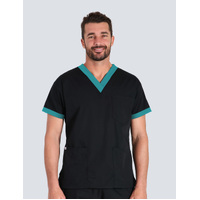
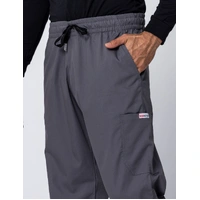
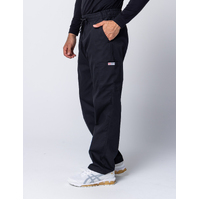
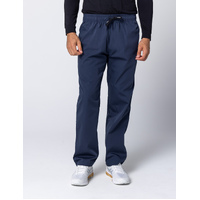
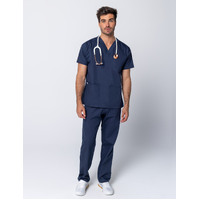
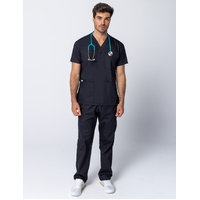
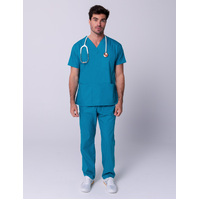
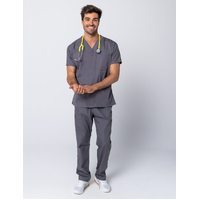
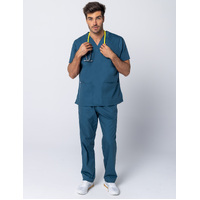
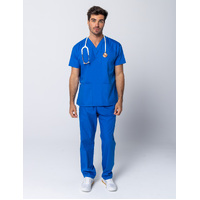
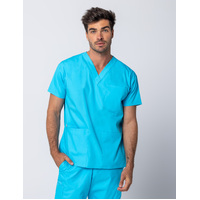
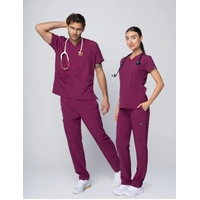
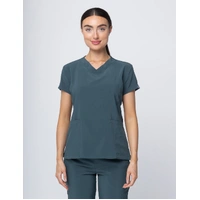
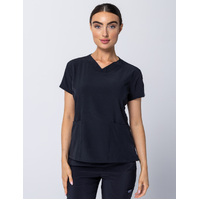
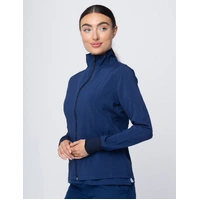
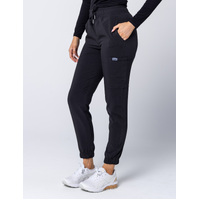
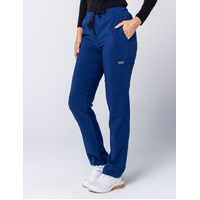
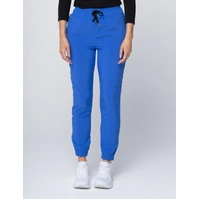
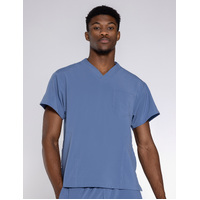
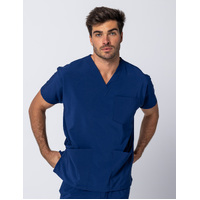

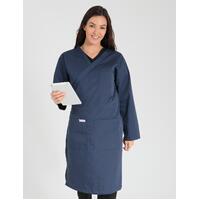
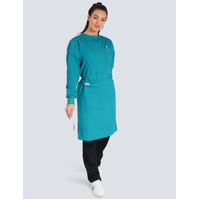
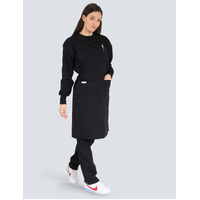
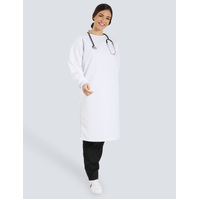
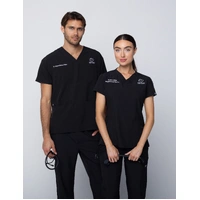
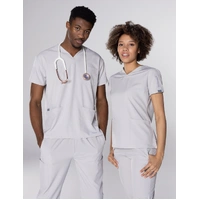
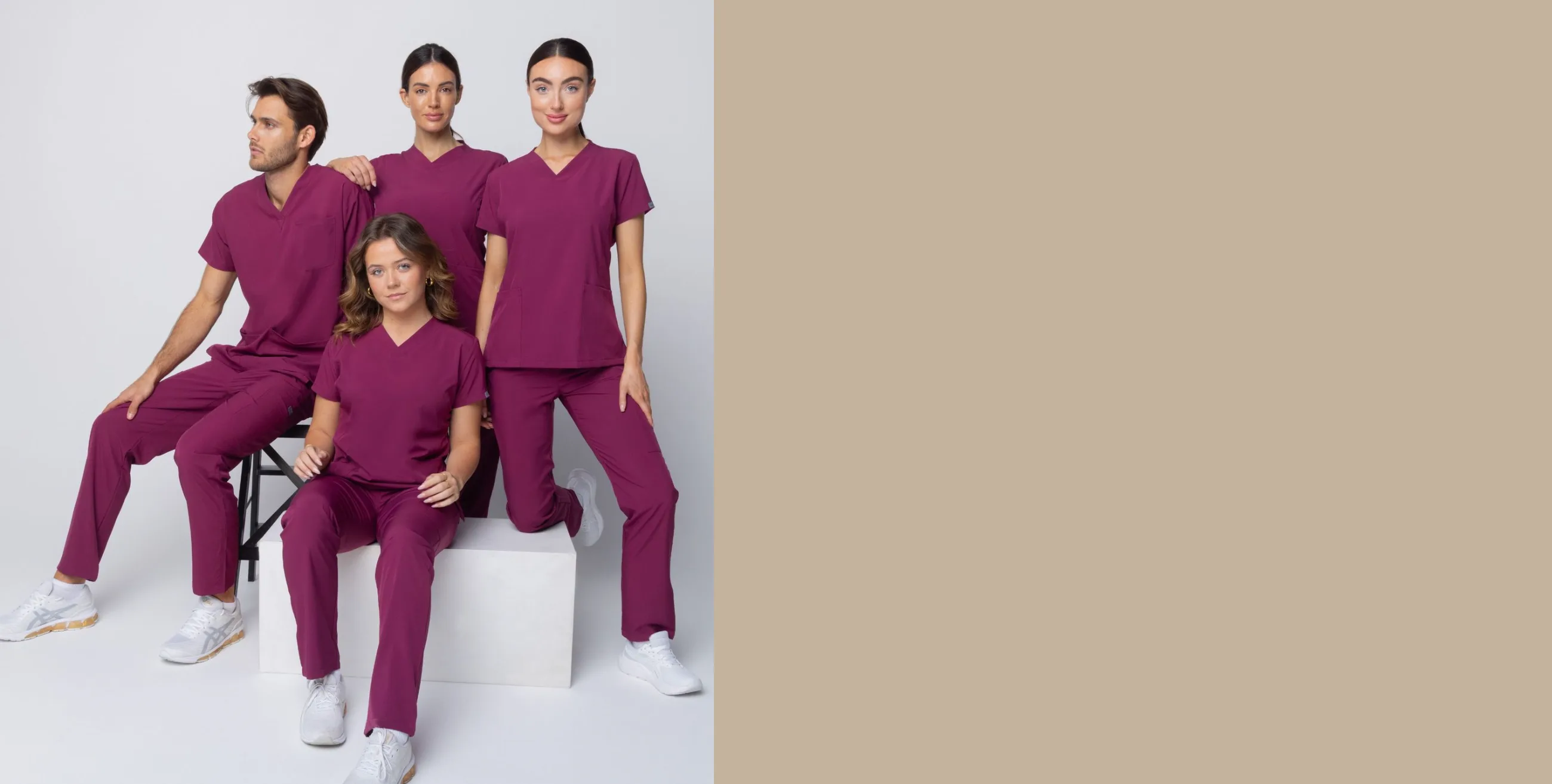







Quick answer: Most nurses in Australia wear scrubs: a short-sleeve scrub top and matching scrub pants in a colour set by their hospital, health service or ward. Add a scrub jacket for cold wards, closed-toe non-slip shoes, a fob watch, and an ID lanyard or badge. Some employers supply uniforms; many nurses buy their own within a set colour code.
What do nurses wear to work?
Day to day, a nurse's uniform usually comes down to five things:
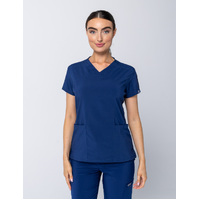
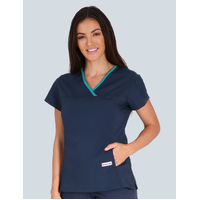
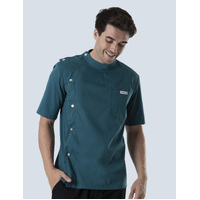
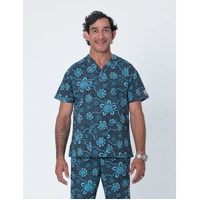
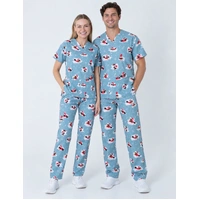
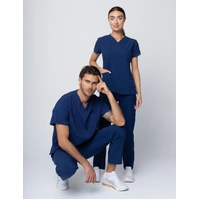
- Scrub top: V-neck, mock wrap or tunic style, with chest and side pockets for pens, scissors and a penlight.
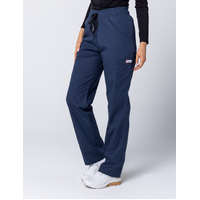
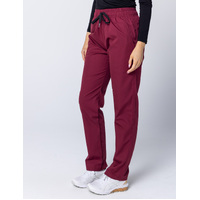
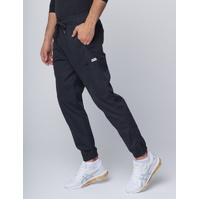
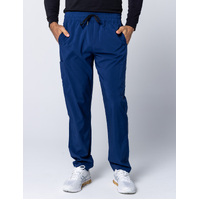
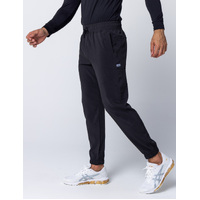
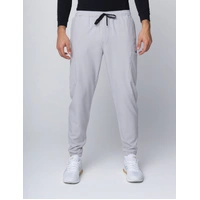
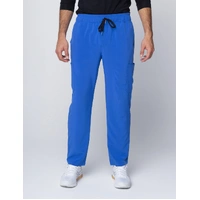
- Scrub pants: drawstring or elastic waist, cargo pockets, often available in regular and tall lengths.
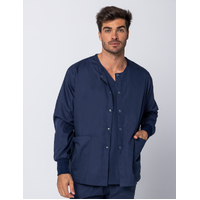
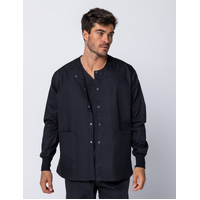
- Layering: a scrub jacket or long-sleeve underlayer for air-conditioned wards and night shifts, where policy allows.
- Footwear: closed-toe, non-slip and easy to wipe clean.
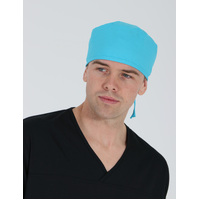
- Accessories: a fob watch (wrist watches are often discouraged under bare-below-the-elbows rules), an ID badge, and a scrub hat in theatre.
Why do nurses wear scrubs?
Scrubs are simple to launder at high temperatures, have no buttons or loose details to catch on equipment, and make staff easy to identify. Colour coding also helps patients and visitors tell roles apart: many Australian health services assign set colours to registered nurses, enrolled nurses, assistants in nursing and other staff.
Do nurses have to wear a specific colour?
Often, yes. Colour rules are set by each employer, not nationally, so always check your local uniform policy before you buy. Navy, royal blue, ceil-type light blues, teal and burgundy are common nursing colours, but it varies between states, health services and even wards. If your workplace has a set uniform, look for it in our uniform bundles, organised by state and hospital.
What to look for when choosing nursing scrubs
| Priority | What to check | Why it matters on shift |
|---|---|---|
| Stretch | Spandex in the fabric blend | Bending, lifting and reaching all shift without the top riding up |
| Pockets | Number and placement on top and pants | Keeps pens, scissors, tape and your phone within reach |
| Fit and length | Size range and tall pant options | Pants that sit right at the ankle and don't drag |
| Fabric care | Holds colour and shape after frequent hot washes | Uniforms are laundered constantly; fading looks unprofessional fast |
| Colour | Matches your employer's colour code | Avoids buying a set you can't wear |
Fabric
Look for a blend with some stretch. For example, the Mediscrubs Women's 4-Pocket Scrub Top is 70% polyester, 25% cotton and 5% spandex. The polyester holds colour and shape through repeated washing, the cotton adds softness, and the spandex gives movement. The Whisper Collection top is 95% polyester and 5% spandex, for a lighter, smoother feel.
Fit
Scrubs should allow a full squat and overhead reach without gaping or pulling. Women's cuts are shaped through the body, while unisex styles are straighter and roomier. If you're between sizes, size for movement rather than a close fit. Pregnant nurses can wear maternity scrubs with an adjustable waist band.
Pockets
A typical working setup is a top with two to four pockets plus cargo pants. If you carry a lot, choose a top with a pen slot and pants with side cargo pockets so weight isn't all on your chest.
Scrubs for different nursing roles
There's no special "nurse-only" fabric. Nurses, doctors and surgical staff wear the same scrub range. What changes is what you need from it:
- Ward and acute care nurses: plenty of pockets, stretch for patient handling, and a jacket for night shift.
- Theatre nurses: simple tops with minimal pockets, plus a scrub hat; theatre often supplies its own scrubs.
- Community and aged care nurses: durable, easy-care sets that look professional on home visits.
- Student nurses: your university or placement usually sets the colour. See our student nurse's guide to choosing scrubs.
Browse the full range organised for nurses on our nursing scrubs page.
How many sets of scrubs does a nurse need?
Full-time nurses typically own four to six sets, enough to cover a week of shifts with a spare while the rest are in the wash. Part-time and casual staff can usually manage with three. Buying matching scrub sets makes it simple to keep tops and pants the same shade.
Can nurses claim scrubs on tax?
In many cases, compulsory or registered occupation-specific uniforms can be claimed as a work-related expense, along with laundering costs. Rules depend on your situation, so check the ATO guidance or speak to your tax agent. We cover the basics in 5 tips for claiming nurse scrubs on your tax return.
Tips for long shifts
Wash new scrubs before the first wear, turn them inside out to protect the colour, and avoid fabric softener on stretch fabrics. For more on staying comfortable over 12 hours, read our long-shift survival tips for nurses.
Where to buy nursing scrubs in Australia
Mediscrubs is an Australian, Gold Coast-based supplier of scrubs to nurses, hospitals and health services. If you're on the Gold Coast, see where to buy nurse scrubs on the Gold Coast.
Shop scrub tops · Shop scrub pants · Shop nursing scrubs
Frequently asked questions
What do nurses wear in Australia?
Most nurses wear a scrub top and scrub pants in a colour set by their employer, with closed non-slip shoes, a fob watch and an ID badge.
What colour scrubs do registered nurses wear?
It depends on the employer. Many Australian health services use navy or another blue for registered nurses, but colour codes vary by state, hospital and ward, so check your uniform policy.
Are nursing scrubs different from doctors' scrubs?
No. Nurses and doctors wear the same scrub styles and fabrics; the difference is usually only the colour their workplace assigns.
How many pairs of scrubs does a nurse need?
Four to six sets for full-time work, or about three for part-time and casual shifts.