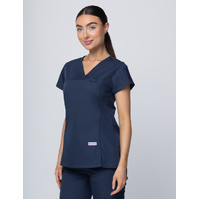
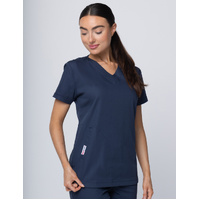
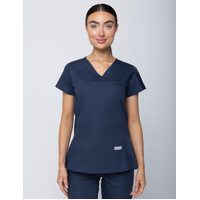
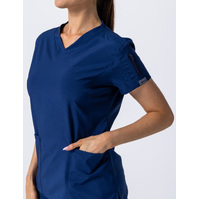
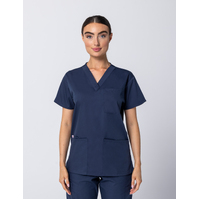
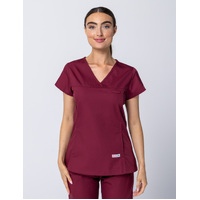
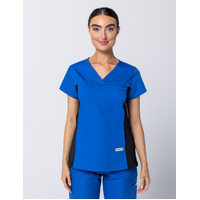
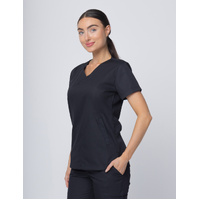
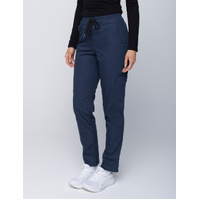

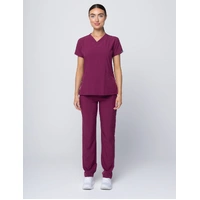
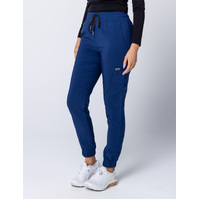


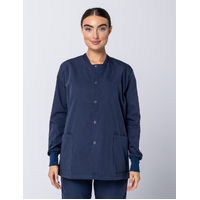

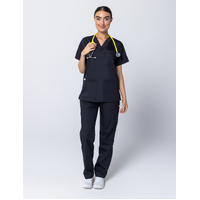
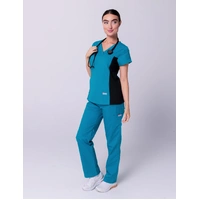
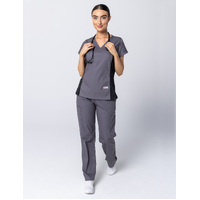
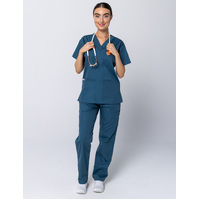
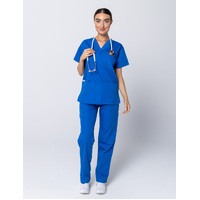
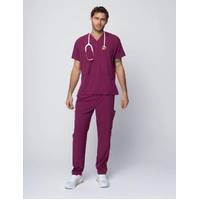

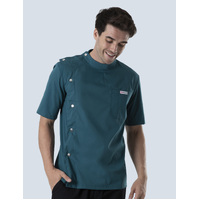

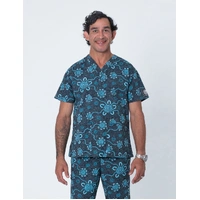
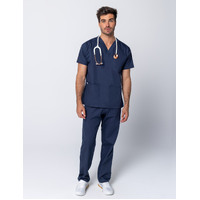
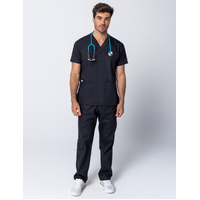
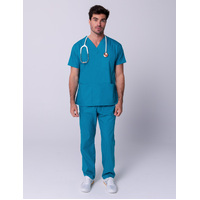



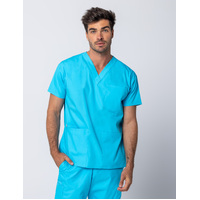

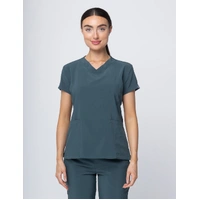
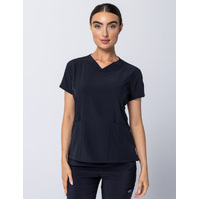

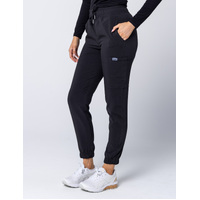
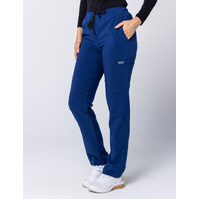
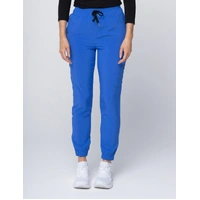
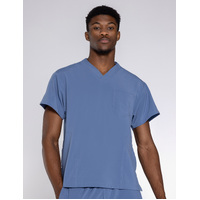



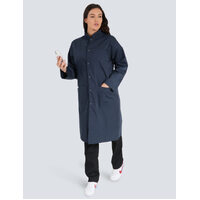
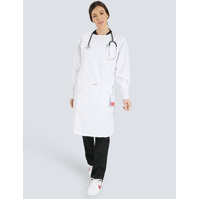
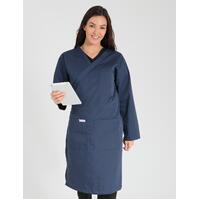
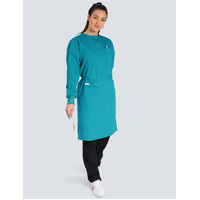








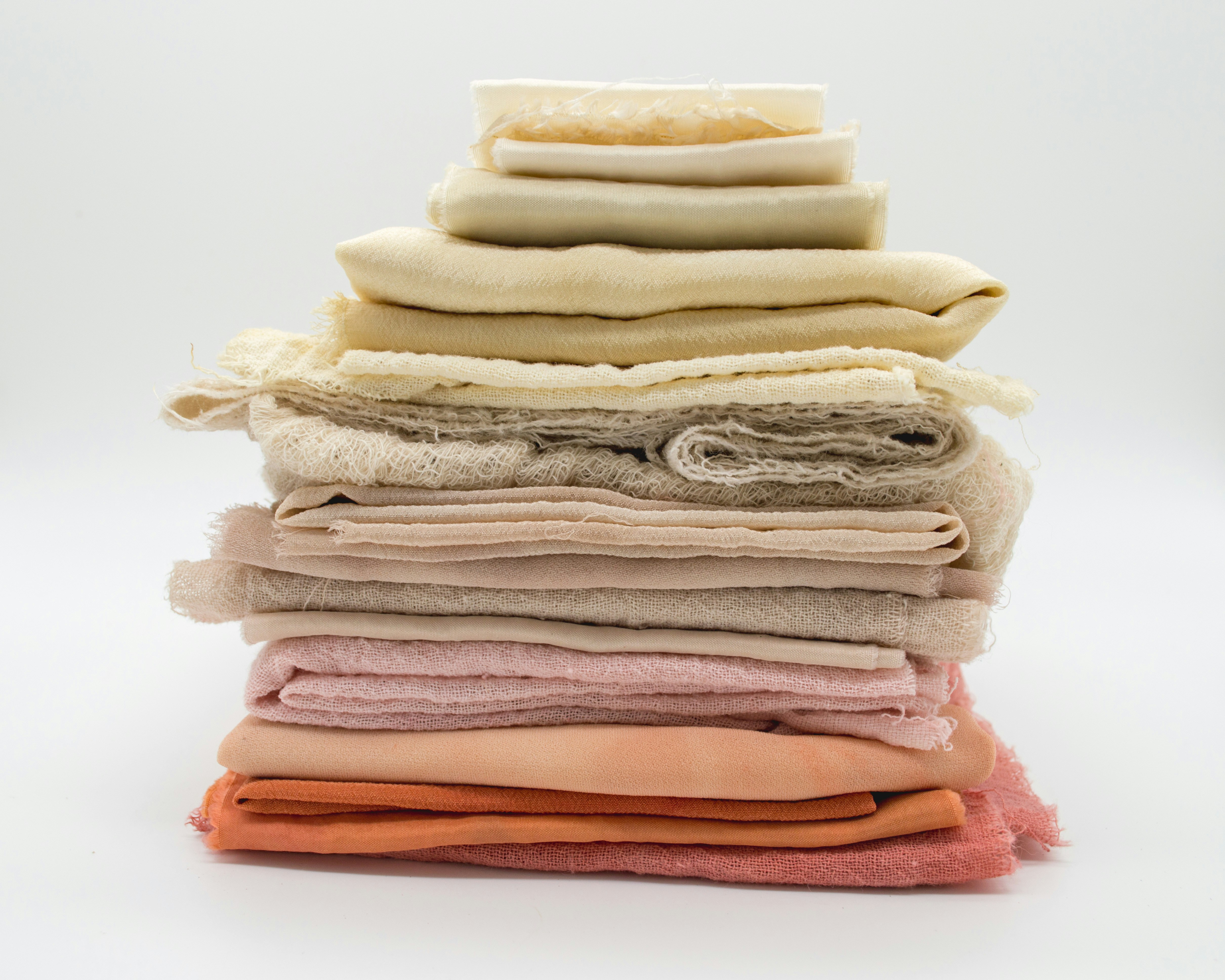
Ever finish a long 12-hour shift and feel like your scrubs fought you every step of the way? Maybe they felt stiff, trapped heat like a personal sauna, or held onto that morning's coffee spill like a badge of dishonour. The secret to all-day comfort isn't found in a fancy brand name — it's written in the tiny print on the fabric tag.
That small tag, with its percentages of cotton, polyester, and spandex, can feel like a code. In practice, learning how to choose scrubs is simpler than it appears. Almost every pair on the market is built from cotton, polyester, or a strategic blend of the two — often with a touch of spandex or rayon thrown in. This guide walks you through the pros and cons of each, so you can match a fabric's performance to your workday needs.
Are 100% Cotton Scrubs the Most Comfortable?
When you think of comfort, your mind probably goes straight to cotton. In the world of scrubs, 100% cotton is the undisputed champion of softness. Wearing a pair of cotton scrubs is often like putting on your favourite t-shirt — gentle on the skin, breathable, and hypoallergenic, which makes it a strong option for staff with sensitive skin.
Pros of Cotton
- Breathability: Highly breathable, helping regulate body temperature during long or high-pressure shifts.
- Hypoallergenic: Less likely to irritate sensitive skin.
- Comfortable: Known for its softness, which can lift staff satisfaction and focus.
Cons of Cotton
- Absorbs rather than wicks moisture: Cotton acts like a sponge — during a physically demanding shift, sweat gets trapped, leaving scrubs feeling heavy and clingy.
- Wrinkle-prone: Often needs ironing to maintain a professional look.
- Stain retention: Spills soak in quickly and can become permanent.
- Shrinkage: More susceptible to shrinking, especially in high-heat commercial dryers.
- Less durable: Doesn't hold up to frequent washing and wear as well as synthetics, which can mean more frequent replacements.
Why Polyester Scrubs Are the Low-Maintenance Workhorse
If cotton is the gentle option, 100% polyester is the tough, high-performance workhorse — similar to the material used in modern athletic wear. As a durable synthetic fibre, polyester resists wrinkles, retains colour vibrancy, and stands up well to frequent laundering.
Pros of Polyester
- Durable: Resistant to wrinkles, shrinkage, and stretching, so uniforms keep a neat appearance over time.
- Cost-effective: Typically more affordable than natural fabrics, useful when outfitting large teams on a budget.
- Moisture-wicking: Unlike cotton, polyester fibres don't absorb moisture — they pull sweat away from the skin to the fabric's surface, where it evaporates quickly, keeping staff dry when rushing between patient rooms.
- Stain-resistant: Its synthetic nature makes it more resistant to staining, useful in environments with frequent exposure to various substances.
Cons of Polyester
- Less breathable: Can cause discomfort in warmer or non-air-conditioned conditions.
- Static build-up: Can generate static electricity.
- Odour retention: Polyester can trap the oils and bacteria that cause smells. This is preventable — avoid liquid fabric softener (it clogs the fibres) and instead add a cup of white vinegar to the rinse cycle to break down oily residue and keep scrubs fresh.
Poly-Cotton and Tri-Blends: The Best of Both Worlds
Can't decide between softness and durability? Fabric blends offer a "best of both worlds" solution, weaving cotton and polyester together to balance comfort with longevity. A common ratio is 65% polyester / 35% cotton — higher polyester means more durability and wrinkle resistance, while higher cotton means a softer, more breathable feel.
Premium tri-blends add a third fibre, usually spandex or rayon. Spandex (elastane) — often just 2–5% of the blend — provides the 4-way stretch needed for physically demanding roles, allowing staff to reach, squat, and move without restriction. Rayon, made from purified wood pulp, adds a silky, luxurious drape and a cooler feel against the skin, ideal for lab coats or hot hospital environments.
Pros of Cotton-Polyester and Tri-Blends
- Balanced comfort and durability: The softness of cotton with the strength of polyester.
- Easy care: Less prone to wrinkling and shrinking than pure cotton.
- Flexible fit: Spandex content gives a snug, flattering fit and supports the dynamic movement healthcare work demands.
- Versatile: Suitable across a wide range of roles and departments.
Cons of Blends
- Breathability: Improved over pure polyester, but may still not match 100% cotton in very warm or humid conditions.
- Price variability: Cost can vary depending on the blend ratio.
- Care requirements: Spandex blends often need specific washing instructions to maintain elasticity.
Are Antimicrobial and Stain-Resistant Finishes Worth It?
Beyond the base fabric, many modern scrubs include chemical finishes. Antimicrobial treatments help reduce microbial load on healthcare uniforms, supporting odour control and hygiene throughout a long shift. Stain-resistant finishes — often a result of high polyester content or specialised coatings — cause liquids to bead up rather than soak in, a practical advantage during busy shifts.
How to Make Your Scrubs Last Longer: A Care Guide
- Cotton: Use hot water for deep sanitisation, but tumble dry on medium heat to prevent shrinking.
- Polyester & blends: Wash in warm water and avoid fabric softener, as it can ruin moisture-wicking properties.
- Colour protection: Turn scrubs inside out and use cold water to prevent friction-induced fading.
Making the Right Choice for Your Facility
Selecting the right scrub fabric involves considering the specific needs of your healthcare facility and staff.
Consider the Work Environment
In a climate-controlled hospital, cotton-polyester blends may offer the perfect balance of comfort and durability. In warmer settings, 100% cotton could be more beneficial due to its breathability. Consider departmental needs too — surgical teams may benefit from spandex blends for added mobility, while administrative staff might prefer the classic comfort of cotton.
Evaluate Staff Needs
Gather feedback to learn what your team values most in their scrubs — comfort, fit, or ease of care — and factor in any allergies or sensitivities that could affect comfort.
Balance Cost and Quality
Higher-quality fabrics may cost more upfront but can pay off over time through fewer replacements and better staff satisfaction and retention.
Test and Trial
Before a bulk purchase, order samples for your staff to try. A short trial period gives a practical read on comfort and durability before you commit to outfitting the whole team.
Your Perfect Scrub Match: The Quick Cheat Sheet
| Priority | Recommended Fabric |
|---|---|
| Maximum softness | High cotton or rayon content |
| Ultimate durability | High polyester blends |
| Active flexibility | Any blend with 3–5% spandex |
| Professional style | Poly-cotton blends with custom embroidery |
Conclusion
Choosing the right scrub fabric is essential for the comfort, durability, and professional appearance of your healthcare uniforms. By understanding the trade-offs between cotton, polyester, and blended fabrics — and matching them to your facility's environment, departments, and staff preferences — you can make an informed choice that pays off in comfort and cost over the long run. If you have questions about the right fit for your facility, feel free to contact us today.