
























































































Emergency nurses in Australia are trained to handle a multitude of scenarios, from minor injuries to severe trauma cases. Their expertise and ability to remain calm under pressure are crucial, as they must make swift, informed decisions that can determine patient outcomes. Moreover, their role extends beyond just medical care; they are educators, advocates, and liaisons who facilitate communication among medical teams, patients, and their families. Understanding the intricacies of their daily routine provides insight into the essential functions they perform within the healthcare system.
The Demanding Yet Rewarding Role of an Australian Emergency Nurse
As the sun rises, emergency nurses in Australia begin their shifts, ready to face whatever challenges come their way. Their day starts with a handover meeting, where the night shift team updates them on the patients' statuses and any critical incidents that occurred overnight. This briefing is crucial as it sets the tone for the day ahead.
Starting the Shift: Handover and Preparation
The handover ensures continuity of care, allowing nurses to prioritise tasks and manage their workload effectively. It is during this time that nurses prepare mentally for the day, anticipating potential emergencies and planning accordingly.
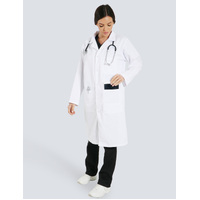
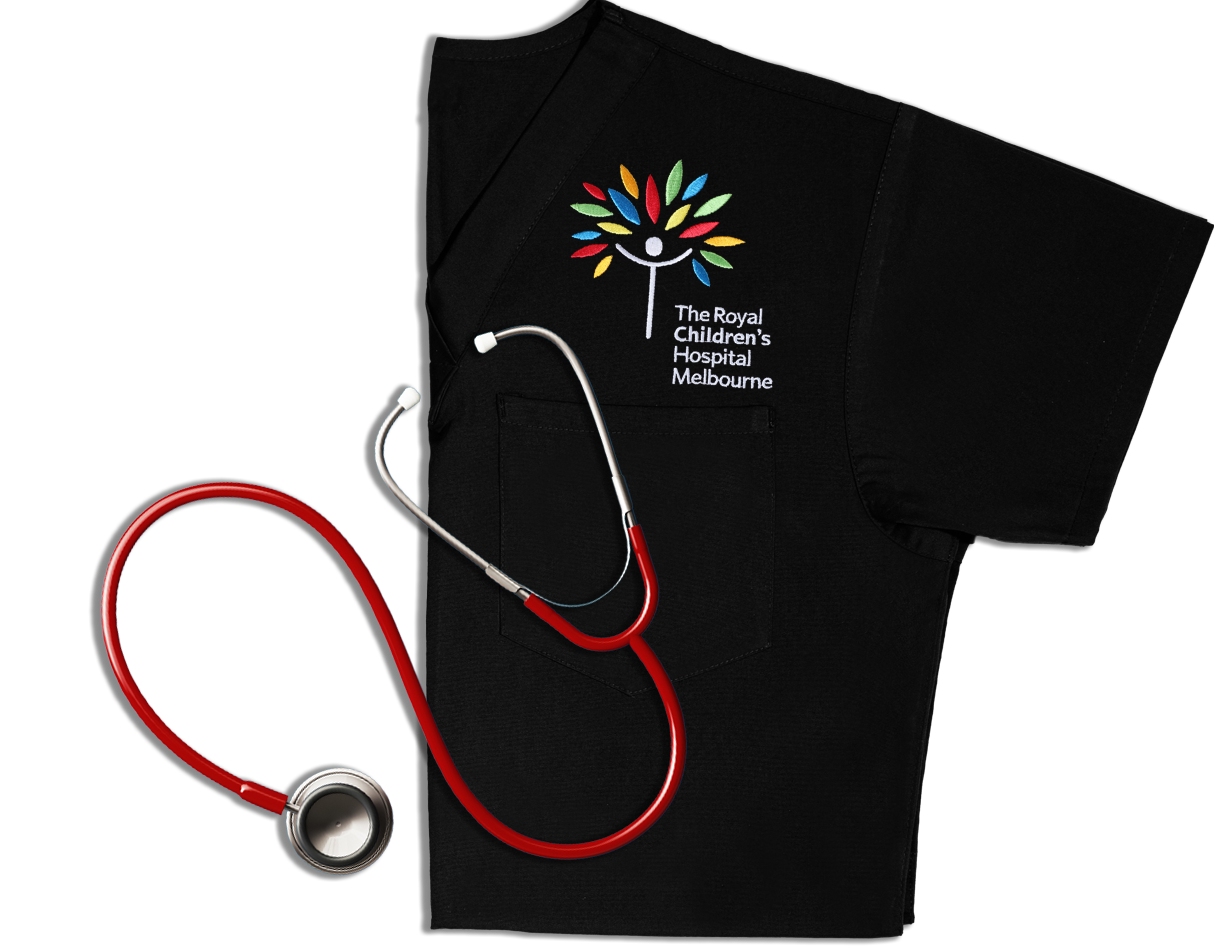
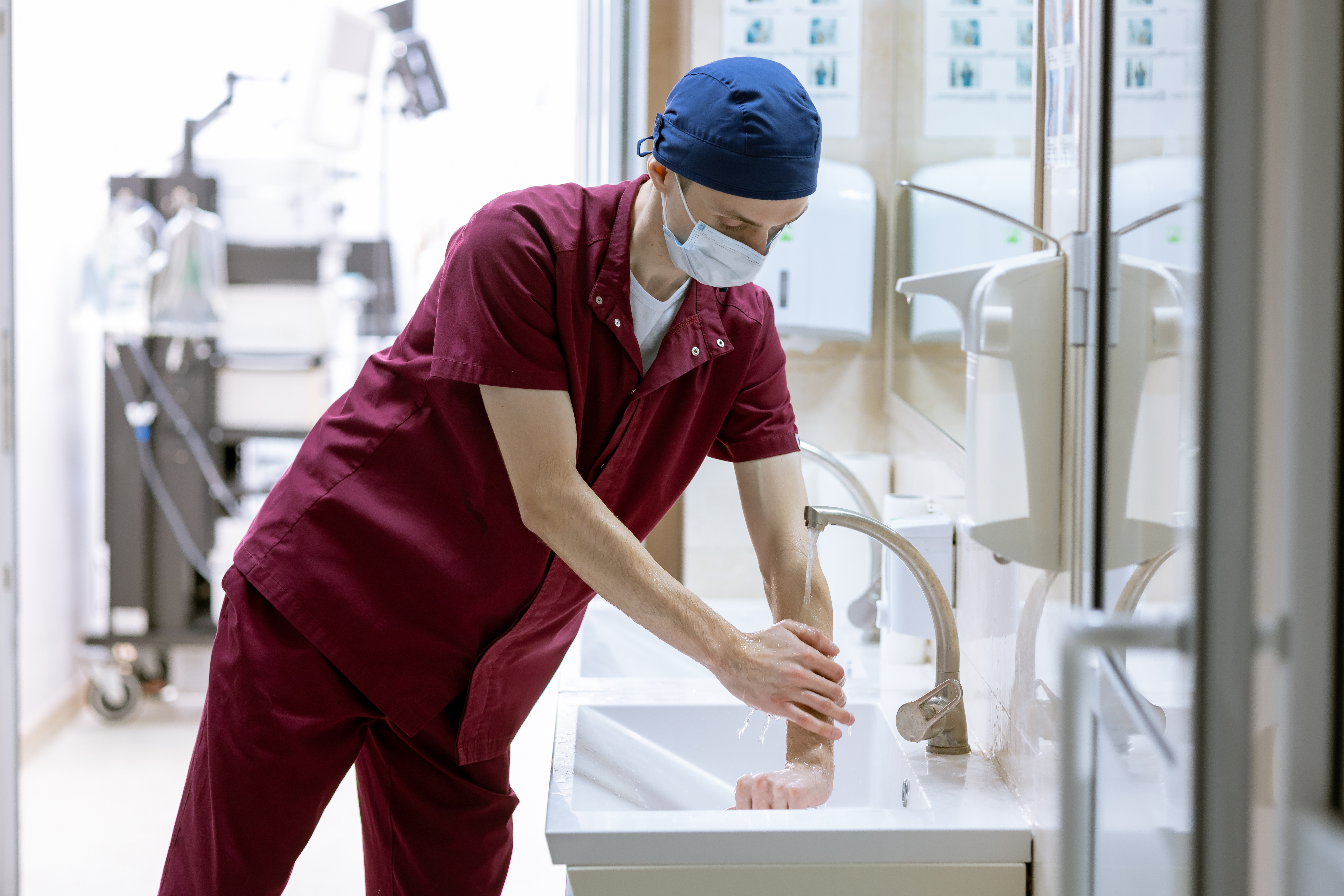
Preparation is key in the life of an emergency nurse. They ensure that all medical equipment is functioning correctly and that they have sufficient supplies. From bandages to life-saving medications, everything must be in place to ensure a smooth workflow. Emergency nurses wear comfortable and durable medical uniforms, designed to withstand the demands of a busy hospital environment. Their preparation also involves reviewing protocols and guidelines to ensure compliance with safety and quality standards. By starting their day with meticulous preparation, nurses can focus on delivering high-quality care without unnecessary interruptions.
In addition to physical preparation, mental readiness is equally important. Emergency nurses often engage in brief mindfulness exercises or team-building activities to enhance focus and foster a supportive work environment. These practices help in maintaining a positive attitude and reinforcing teamwork, which is crucial in high-stress settings. By nurturing both their physical and mental preparedness, nurses can better handle the unpredictable nature of emergency care.
Adapting to the Unpredictable: Life in the Emergency Department
In the emergency department, no two days are alike. Nurses must be prepared to adapt quickly to unexpected situations. Whether it's a sudden influx of patients due to an accident or a complex medical case, emergency nurses must think on their feet and prioritise care effectively. Their ability to remain flexible and resourceful allows them to address diverse medical needs while maintaining patient safety. This adaptability is not only a skill but a mindset that enables nurses to thrive in an ever-changing environment.
To enhance their adaptability, emergency nurses participate in simulation training that replicates real-life scenarios. These exercises help sharpen their critical thinking and decision-making skills, ensuring they are equipped to handle any situation that arises. By practising various emergency scenarios, nurses become more confident and proficient in their roles, which ultimately improves patient care and outcomes. The dynamic nature of their work requires a proactive approach to learning and skill development, ensuring they are always prepared for the unexpected.
The emergency department is a hub of activity by midday. Nurses are busy attending to patients, some of whom require immediate and intensive care. Critical care nursing is at the heart of what they do, ensuring that patients receive the best possible treatment. The pace is relentless, with nurses constantly moving between tasks, making quick assessments, and implementing treatment plans. Despite the chaos, they maintain a sense of order and efficiency, prioritising patient needs and coordinating with the healthcare team to deliver seamless care.
Communication and Teamwork: Cornerstones of Emergency Care
One of the most important aspects of nursing in Australia is effective communication. Emergency nurses must communicate clearly with patients and their families, offering reassurance and explaining complex medical procedures in a way that's easy to understand. Building trust with patients is essential, especially in high-stress situations. This involves not only verbal communication but also active listening and empathy, which help in alleviating patient anxiety and fostering a therapeutic relationship. By ensuring patients and families are well-informed, nurses contribute to a more positive healthcare experience.
Moreover, communication extends to interactions with colleagues and other healthcare professionals. Nurses must convey critical information accurately and promptly to ensure continuity of care. This involves participating in multidisciplinary meetings and using technology, such as electronic health records, to document and share patient information. Effective communication is a cornerstone of emergency nursing, enabling the team to work cohesively and respond swiftly to changing circumstances.
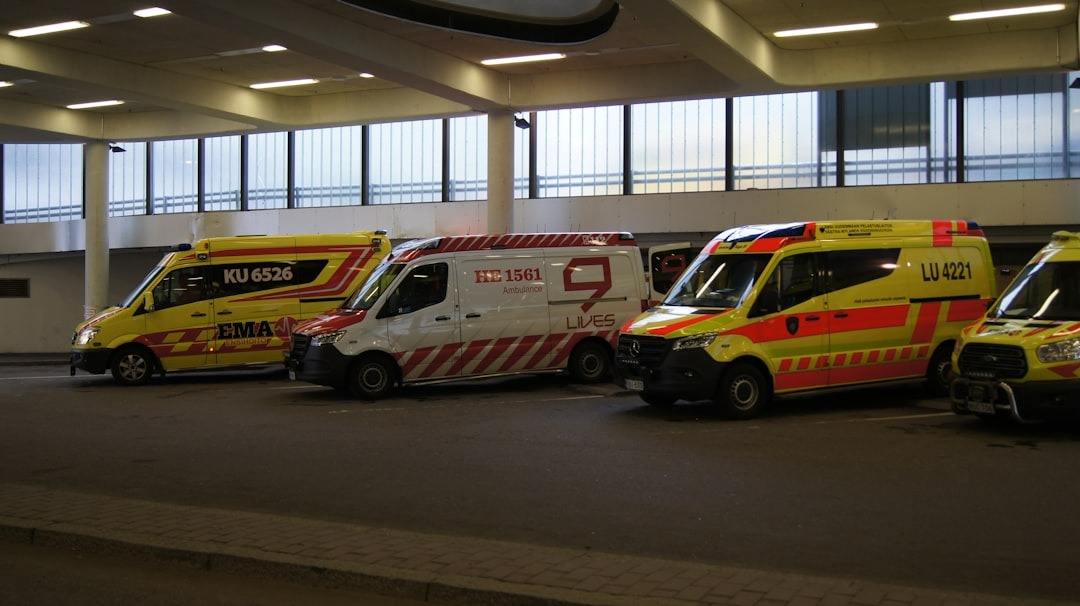
Emergency nurses work closely with doctors, paramedics, and other healthcare professionals. Teamwork is essential in the emergency department, where quick decision-making can save lives. Nurses must be adept at sharing information and collaborating to provide comprehensive care. Each team member brings a unique set of skills and expertise, and the synergy of these diverse talents is crucial in delivering effective patient care. The ability to communicate seamlessly and support one another fosters a collaborative environment that enhances patient outcomes.
To strengthen team collaboration, regular interdisciplinary meetings and debriefing sessions are conducted. These forums provide an opportunity for team members to discuss cases, share insights, and learn from each other's experiences. Such interactions build trust and respect among team members, leading to improved coordination and cooperation. By fostering a culture of teamwork, emergency departments can operate more efficiently and respond effectively to the demands of patient care. For more insights into emergency nursing practices, you can visit the Australian College of Emergency Nursing.
Continuous Learning and Professional Development
As the day progresses, emergency nurses take time to focus on professional development. Continuous learning is a crucial part of their role, ensuring they stay updated on the latest medical practices and technologies. This commitment to education not only enhances their skills but also contributes to better patient care and outcomes. By embracing lifelong learning, nurses can adapt to advancements in healthcare and remain at the forefront of the profession.
Hospitals in Australia emphasise the importance of training. Emergency nurses participate in workshops and training sessions to enhance their skills. These sessions cover various topics, from new medical procedures to improving patient care strategies. By engaging in formal education and on-the-job training, nurses can refine their clinical expertise and stay informed about emerging trends in healthcare. This ongoing professional development is vital for maintaining competency and delivering high-quality care. The Australian Nursing & Midwifery Federation provides resources for professional development.
In addition to formal training, nurses often engage in peer learning and mentoring programmes. These initiatives provide a platform for sharing knowledge, experiences, and best practices, fostering a culture of continuous improvement. By learning from one another, nurses can enhance their problem-solving skills and develop innovative approaches to patient care. This collaborative learning environment not only benefits individual nurses but also strengthens the overall capabilities of the healthcare team. Many nurses also engage in continuing professional development (CPD) to maintain their registration and enhance their skills.
Reflecting and Winding Down: The End of a Hectic Day
Reflecting on the day's experiences is vital for personal and professional growth. Emergency nurses often gather feedback from colleagues and supervisors, discussing what went well and identifying areas for improvement. This culture of continuous improvement contributes to better patient outcomes and a more efficient healthcare system. Reflection allows nurses to critically evaluate their performance, understand their strengths and weaknesses, and develop strategies for improvement.
Feedback sessions are structured to promote constructive dialogue and mutual learning. By engaging in open and honest discussions, nurses can gain valuable insights and perspectives that enhance their practice. These reflective practices not only improve individual performance but also contribute to a positive and supportive work environment. By fostering a culture of feedback and reflection, healthcare organisations can promote excellence and innovation in patient care.
As the evening approaches, emergency nurses begin to wind down from their hectic day. The end-of-shift handover is as important as the morning briefing, ensuring a seamless transition between teams and maintaining high standards of patient care. This process involves reviewing patient records, updating treatment plans, and communicating any changes or concerns to the incoming team. By ensuring accurate and thorough handovers, nurses can maintain continuity of care and support the well-being of their patients.
Accurate documentation is a core responsibility of emergency nurses. They meticulously update patient records, noting any changes in condition or treatment plans. This information is critical for the incoming team and ensures continuity of care. Comprehensive documentation also serves as a legal record and a valuable tool for quality improvement and research. By maintaining detailed and accurate records, nurses can support clinical decision-making and contribute to the advancement of healthcare practices.
In addition to patient records, nurses also document their own observations and reflections as part of their professional development. These personal records serve as a valuable resource for self-assessment and learning, helping nurses track their progress and identify areas for growth. By integrating documentation into their daily routine, nurses can enhance their practice and contribute to the overall effectiveness of the healthcare team.
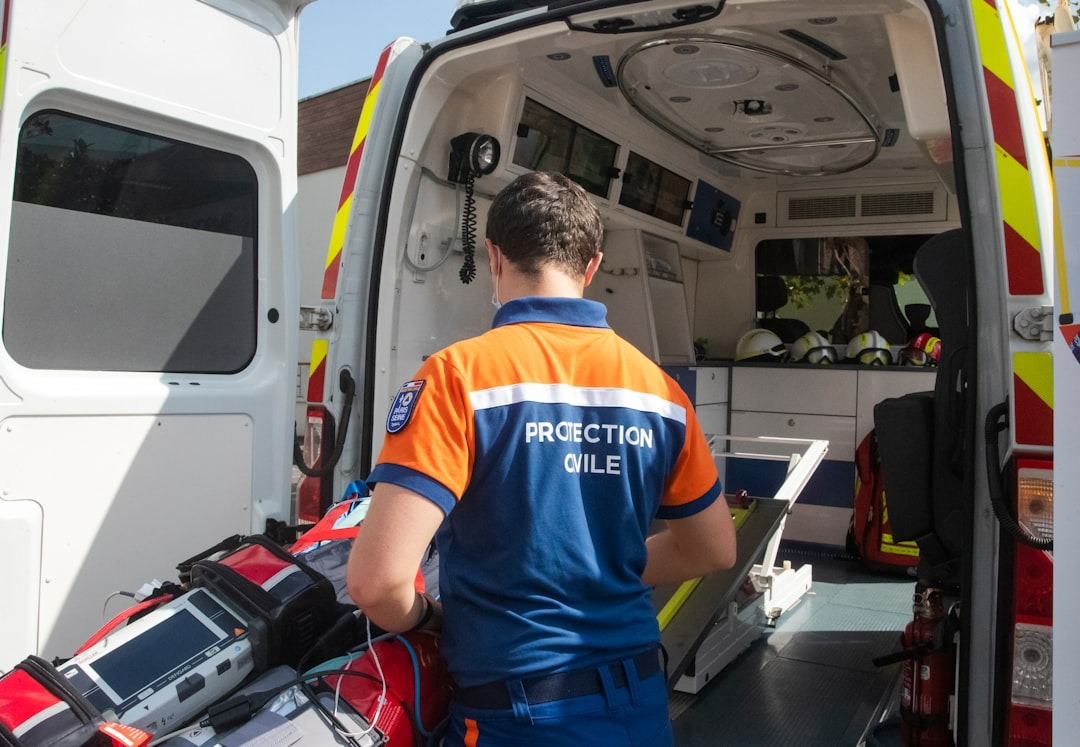
Before heading home, emergency nurses take a moment to reflect on their day. It's a chance to decompress, share experiences with colleagues, and prepare mentally for the next shift. Despite the challenges, the satisfaction of knowing they've made a difference keeps them motivated. This reflection process involves acknowledging achievements, addressing challenges, and setting goals for future improvement. By taking time to reflect, nurses can maintain a positive outlook and continue to grow both personally and professionally.
Reflection also provides an opportunity to celebrate successes and recognise the contributions of the healthcare team. By acknowledging the efforts of colleagues and expressing gratitude, nurses can foster a supportive and inclusive work environment. This positive culture not only enhances job satisfaction but also promotes resilience and well-being among healthcare professionals. By prioritising reflection and self-care, nurses can sustain their passion and commitment to patient care.
Supporting Our Emergency Nurses: A Call to Action
Emergency nurses are the backbone of the Australian healthcare system. Their dedication and resilience are evident in every aspect of their work. By providing critical care in urgent situations, they play a vital role in saving lives and improving patient outcomes. Their contributions extend beyond the immediate care they provide, influencing the overall quality and efficiency of healthcare delivery. Emergency nurses are advocates for patient safety and champions of healthcare innovation, driving improvements that benefit the entire community.
For hospital managers, supporting emergency nurses means providing them with the tools and resources they need. This includes sourcing high-quality medical uniforms that are comfortable and compliant with industry standards. Building a strong partnership with a reliable supplier ensures that nurses are equipped to perform their duties effectively. Additionally, providing access to state-of-the-art equipment and technology enhances their ability to deliver high-quality care. By investing in the resources and infrastructure that support nursing practice, hospitals can optimise patient care and outcomes.
Support also involves fostering a positive work environment that prioritises the well-being of nurses. This includes implementing policies that promote work-life balance, offering mental health resources, and recognising the contributions of nursing staff. By creating a supportive and inclusive workplace, healthcare organisations can enhance job satisfaction and retention among emergency nurses. These efforts not only benefit the nurses themselves but also contribute to the overall success and sustainability of the healthcare system.
As the healthcare landscape evolves, the demand for skilled emergency nurses will continue to grow. Investing in their development and well-being is essential for sustaining a robust healthcare system. By prioritising continuous learning and fostering a supportive work environment, hospitals can ensure that emergency nurses remain at the forefront of patient care. Future challenges will require innovative solutions, and emergency nurses will play a crucial role in shaping the future of healthcare.
The future of nursing in Australia also involves embracing new technologies and practices that enhance patient care. This includes the integration of telehealth, data analytics, and personalised medicine into emergency care. By staying abreast of these advancements, nurses can enhance their practice and improve patient outcomes. Furthermore, advocating for policies that support nursing education, research, and leadership development will be crucial in ensuring the profession's continued growth and success.
In conclusion, the life of an emergency nurse in Australia is demanding yet rewarding. Their ability to handle high-pressure situations with compassion and professionalism is what makes them invaluable to the healthcare system. By understanding their daily challenges and supporting their needs, we can contribute to their success and, ultimately, to the well-being of patients across the country. Through continued investment in their development and support, emergency nurses can continue to make a profound impact on the health and lives of Australians.
Equip Your Team for Excellence with MediScrubs
At MediScrubs, we understand the critical role emergency nurses play in Australia's healthcare system. That's why we're committed to providing the highest quality, durable, and comfortable medical uniforms designed to meet the rigorous demands of their profession.
Explore our extensive range of scrub tops, pants, and jackets for both women and men. We offer a variety of styles and sizes to ensure every healthcare professional feels confident and comfortable throughout their shift.
Partner with MediScrubs today to ensure your healthcare heroes are always well-equipped. Visit us at mediscrubs.com.au to learn more about our products and wholesale options.