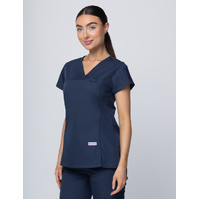

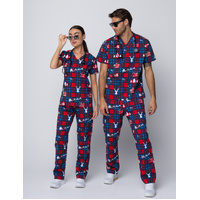
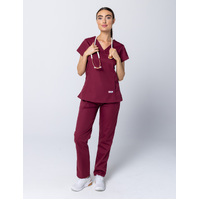
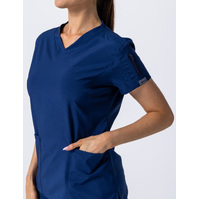
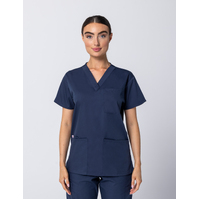
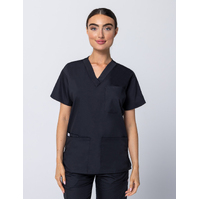
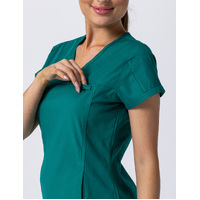

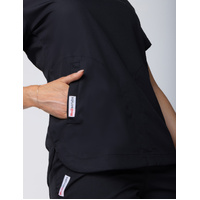
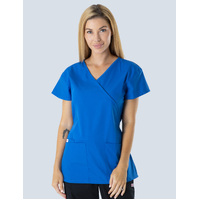
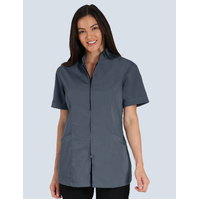



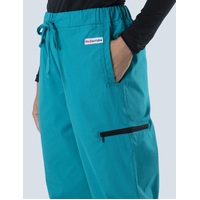
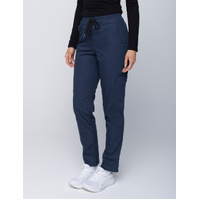
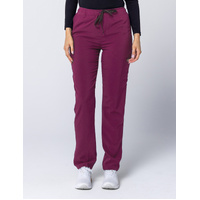

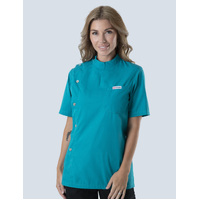


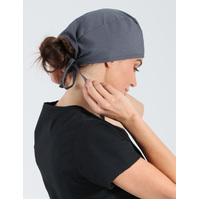
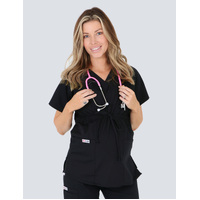
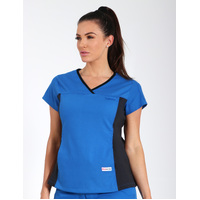
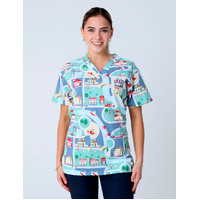
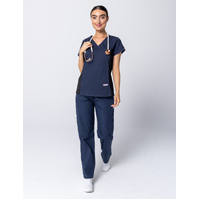
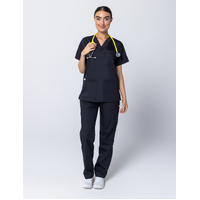
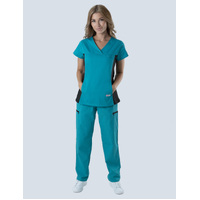
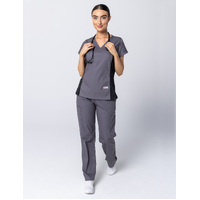
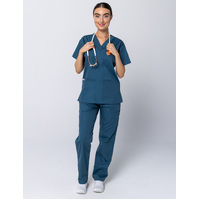

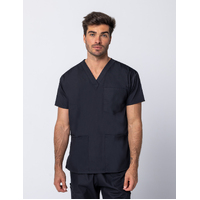

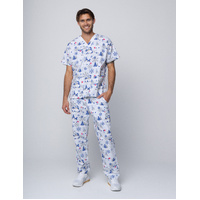

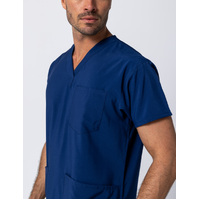
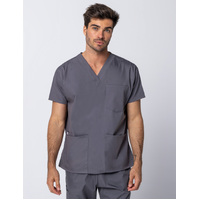
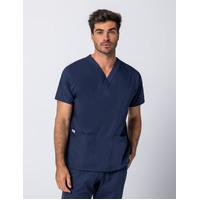
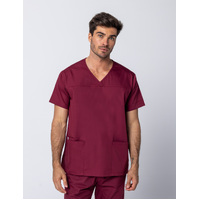
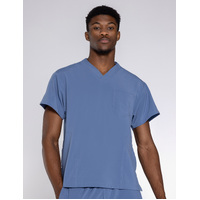
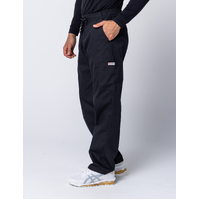
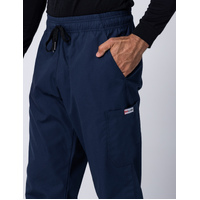
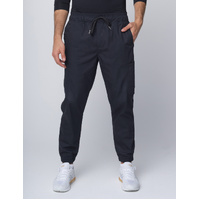
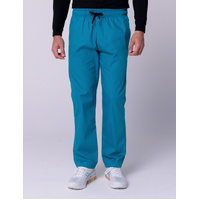
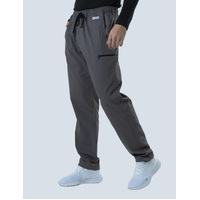
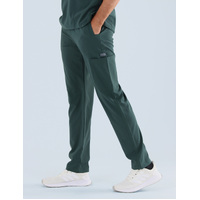

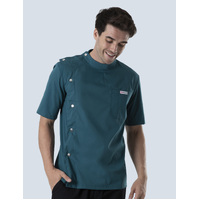

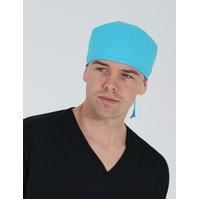
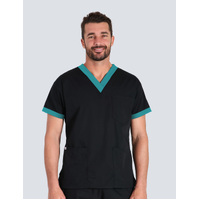
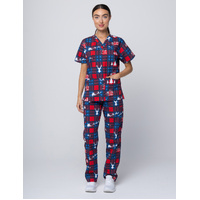
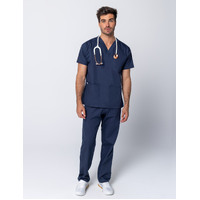
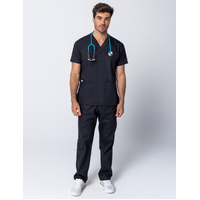
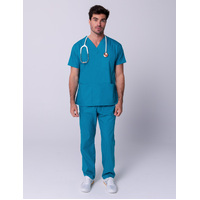

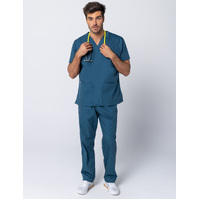

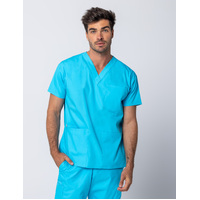

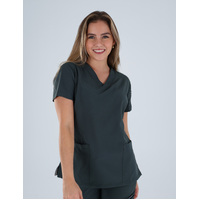



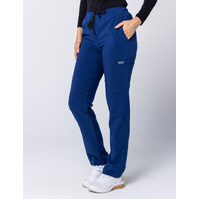

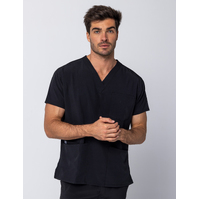


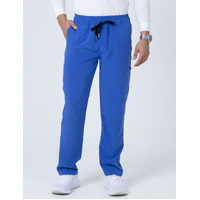

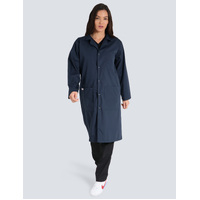
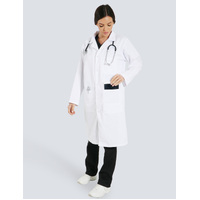
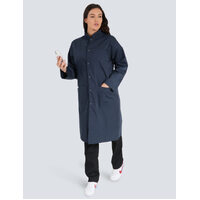
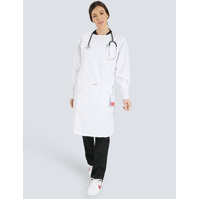
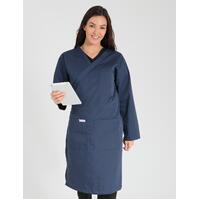
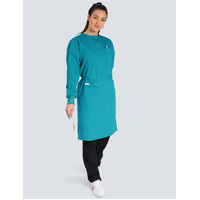
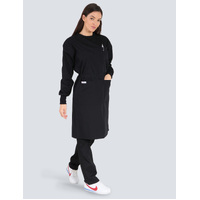
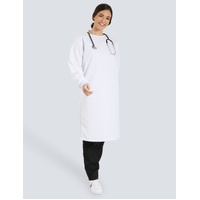




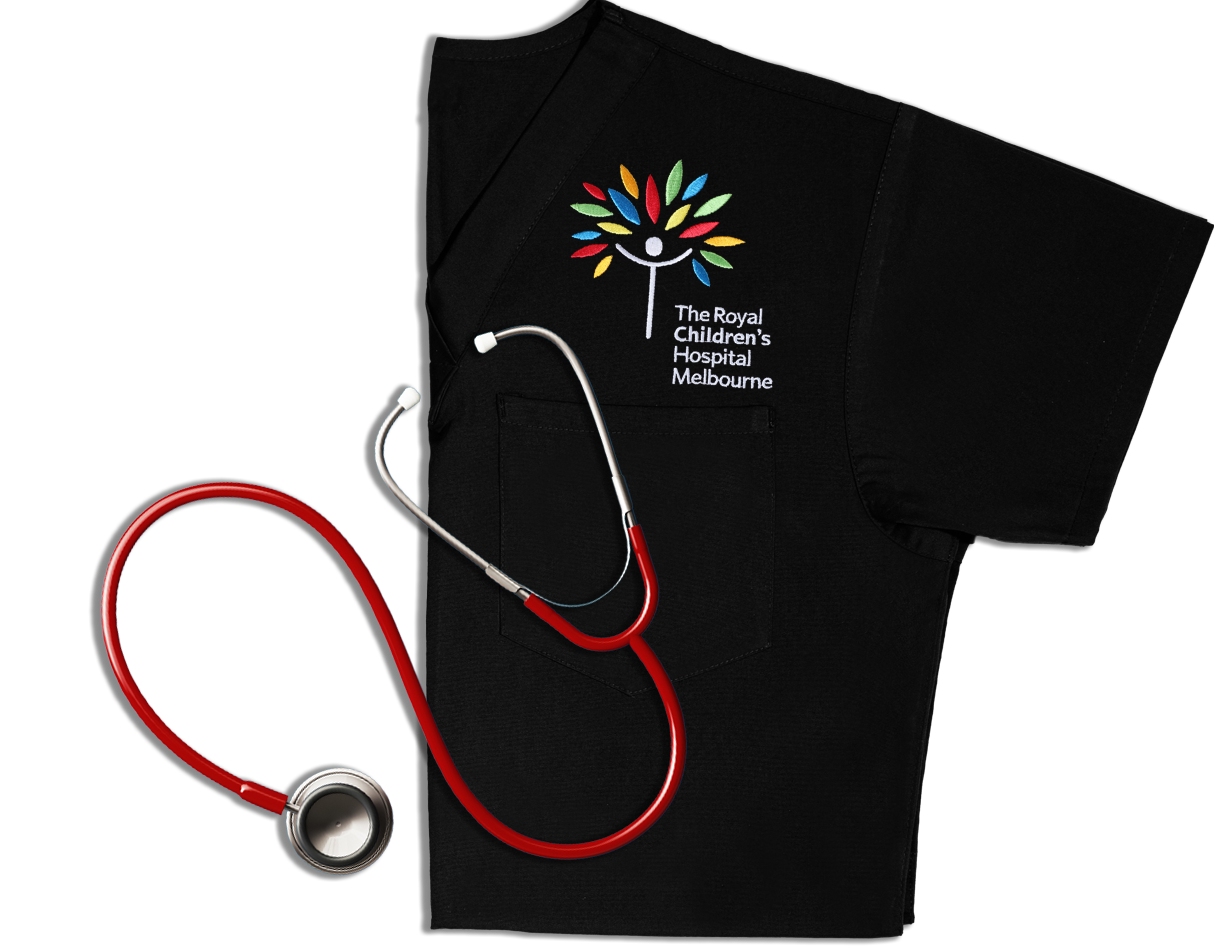





A well-designed staff uniform programme serves multiple purposes. It helps in creating a consistent and professional image for your clinic or care home, fostering trust among patients and their families. Uniforms also contribute to staff identification, making it easier for patients and visitors to recognise staff members. Additionally, wearing uniforms can promote a sense of unity and pride among employees, boosting morale and teamwork.
The Benefits of a Staff Uniform Programme
Enhancing Professionalism and Reputation
Uniforms serve as a visual representation of your facility's commitment to professionalism and excellence. When staff members are dressed in a consistent, professional manner, it instils confidence in patients and their families. A polished appearance can significantly influence perceptions and enhance the reputation of your clinic or care home. This professional image is critical in a competitive healthcare environment, where the appearance of your staff can set your facility apart.
Improving Staff Identification and Trust
Uniforms make it easy for patients and visitors to identify staff members, which is particularly important in busy healthcare settings. Recognisable uniforms help establish trust and ensure that patients and visitors feel comfortable approaching staff for assistance. In addition, a uniform programme can help differentiate between various roles within your facility, allowing for clear identification of healthcare providers, administrative staff, and support personnel.
Fostering Team Unity and Morale
Wearing a uniform can foster a sense of belonging and unity among staff members. It creates a level playing field where everyone, regardless of their role or position, is part of the same team. This sense of unity can enhance communication and collaboration, leading to a more harmonious work environment. Moreover, when staff members feel part of a cohesive team, it can boost morale and job satisfaction, ultimately improving the quality of care provided.
Hygiene and Safety: A Critical Aspect of Medical Uniforms
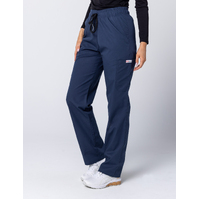
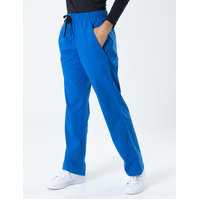
In healthcare settings, uniforms are not just about appearance; they are crucial for maintaining hygiene and safety. Medical uniforms are designed to meet specific standards, offering protection against contaminants. Implementing a uniform programme ensures that your staff adheres to these standards, minimising the risk of infections and ensuring compliance with healthcare regulations. Consider our range of scrub tops for women, scrub tops for men, scrub pants for women, and scrub pants for men, all designed with these critical factors in mind.
Meeting Stringent Hygiene Standards
Healthcare uniforms are specifically designed to meet stringent hygiene standards. They are made from materials that can withstand frequent washing and are resistant to contamination. For example, our Antimicrobial Fabric offers an extra layer of protection. By implementing a uniform programme, you ensure that all staff members are equipped with attire that meets these standards, reducing the risk of cross-contamination and infections within your facility.
Protecting Staff and Patients
Uniforms play a crucial role in protecting both staff and patients in healthcare settings. They act as a barrier against spills, stains, and harmful substances, providing an additional layer of protection. By choosing uniforms that meet safety standards, you prioritise the well-being of your staff and patients, creating a safer environment for everyone.
Ensuring Regulatory Compliance
Adherence to healthcare regulations is paramount in maintaining the credibility and legality of your facility. A uniform programme helps ensure compliance with industry standards and regulations, which often mandate specific attire for healthcare professionals. By implementing a comprehensive uniform programme, you demonstrate your commitment to meeting these standards, reducing the risk of non-compliance and potential legal issues. For more information on Australian healthcare regulations, you can refer to the Australian Department of Health.

Key Steps to Setting Up Your Uniform Programme
Setting up a uniform programme requires careful planning and consideration. Here are the key steps to follow with Mediscrubs:
1. Assess Facility Needs and Staff Roles
Begin by assessing the specific needs of your facility. Consider the different roles within your clinic or care home and the unique requirements for each position. For example, nurses may need uniforms with pockets for easy access to essential tools, while administrative staff may require more formal attire. Each role within your facility has distinct needs when it comes to uniforms. Clinical staff may require attire that allows for mobility and includes functional features such as pockets. Administrative personnel might need more formal wear that aligns with their professional interactions. By understanding these nuances, you can tailor your uniform programme to meet the diverse needs of your staff effectively.
Carry out a thorough needs assessment to determine the specific requirements of your facility. This involves gathering input from staff members to understand their preferences and challenges. Consider factors such as the nature of tasks performed, environmental conditions, and any existing challenges related to current attire. This information will guide you in making informed decisions about your uniform programme.
2. Involve Staff in the Decision-Making Process
Involve your staff in the decision-making process to ensure that their voices are heard and their needs are addressed. Conduct surveys or hold focus group discussions to gather feedback on preferred styles, materials, and features. By involving staff in the process, you not only make them feel valued but also increase the likelihood of successful implementation and acceptance of the uniform programme. This can be especially helpful when choosing specific uniform bundles, such as those for trainee nurses or specific hospital departments.
3. Select the Right Uniforms and Supplier
Selecting the right uniforms is crucial for the success of your programme. Look for high-quality, durable materials that can withstand the demands of a healthcare environment. Comfort is also essential, as staff members will be wearing these uniforms for long hours. Consider partnering with a reputable supplier who specialises in healthcare apparel to ensure you get the best products.
The choice of materials is critical in ensuring the durability and comfort of uniforms. Opt for fabrics that are breathable, easy to clean, and durable enough to withstand repeated use and washing. High-quality materials not only enhance comfort but also prolong the lifespan of the uniforms, ensuring a cost-effective investment for your facility. Comfort is paramount, as staff members will spend long hours in their uniforms. Choose designs that allow for ease of movement and include functional features such as pockets and adjustable fits. By prioritising comfort and functionality, you enhance the overall satisfaction and efficiency of your staff, contributing to a more productive work environment.
Selecting a reliable supplier is essential to ensuring the quality and consistency of your uniforms. Look for suppliers with a proven track record in the healthcare apparel industry, known for their quality products and excellent customer service. Establishing a strong partnership with a reputable supplier ensures that your uniform programme runs smoothly and meets the specific needs of your facility. Mediscrubs offers a wide range of high-quality medical uniforms.
4. Define and Communicate the Dress Code
A clear and concise dress code is essential for maintaining consistency and professionalism. Define the specific requirements for each role, including guidelines on colours, styles, and accessories. Make sure to communicate the dress code to all staff members and provide them with the necessary resources to comply with it.
Clearly define the dress code guidelines for each role within your facility. Specify acceptable colours, styles, and any additional accessories or requirements. By establishing clear guidelines, you ensure consistency across your facility, enhancing the professional appearance and cohesion of your staff. Effective communication is crucial in ensuring that all staff members understand and comply with the dress code. Provide comprehensive resources such as handbooks or training sessions to convey the dress code expectations. Regularly remind staff of the importance of the dress code in maintaining professionalism and safety within the facility. Ensure that staff members have access to the resources and support they need to comply with the dress code. This includes providing information on where to purchase uniforms, offering assistance with sizing, and addressing any concerns or questions. By offering support, you facilitate compliance and promote a positive attitude towards the uniform programme.
5. Implement a Uniform Management System
To manage your uniform inventory efficiently, consider implementing a uniform management system. This system can help you track uniform orders, manage inventory levels, and ensure timely replacements. It can also assist in budgeting and forecasting future uniform needs, helping you to maintain a streamlined and cost-effective programme.
A uniform management system streamlines the process of tracking and managing inventory. It enables you to monitor stock levels in real time, ensuring that you always have the right quantities on hand. By preventing shortages or overstock situations, you optimise inventory levels and reduce waste, leading to cost savings for your facility. Automating routine tasks such as order processing and inventory updates saves time and reduces the risk of human error. A uniform management system can handle these tasks efficiently, freeing up staff to focus on more critical responsibilities. Automation enhances the overall efficiency of your uniform programme, contributing to its success and sustainability. A uniform management system provides valuable insights into budgeting and forecasting future uniform needs. By analysing past data and trends, you can make informed decisions about future orders and expenses. This proactive approach ensures that your uniform programme remains cost-effective and aligned with the evolving needs of your facility.
Benefits of an Effective Uniform Management System
A uniform management system offers several advantages for your clinic or care home:
Efficient Stock Control
Keep track of uniform stock levels and avoid shortages or overstock situations. An efficient stock control system ensures that you always have the right quantities of uniforms available, preventing disruptions in your uniform programme. This level of control leads to better resource management and contributes to the smooth operation of your facility.
Cost Efficiency and Budgeting
Streamline the ordering process and reduce unnecessary expenses by forecasting future needs accurately. Cost efficiency is achieved through careful planning and management of uniform resources. By minimising waste and optimising orders, you reduce costs while maintaining the quality and effectiveness of your uniform programme.
Time Savings and Automation
Automate routine tasks such as order processing and stock updates, freeing up time for more critical responsibilities. Time savings are realised through the efficient management of uniform-related tasks, allowing staff to focus on providing quality care and services. This efficiency contributes to a more productive and stress-free work environment.
Improved Compliance
Ensure that all staff members have access to the necessary uniforms, reducing the risk of non-compliance with dress code standards. Improved compliance is achieved by providing staff with the uniforms they need to meet dress code requirements. This proactive approach reduces the risk of non-compliance and supports a professional and consistent appearance across your facility.
Building Strong Supplier Partnerships
A successful staff uniform programme relies on building strong partnerships with reliable suppliers. When selecting a supplier, consider their reputation in the healthcare apparel industry and their commitment to quality and innovation. Look for a supplier who offers personalised service and is willing to work closely with your facility to meet your specific needs.
Evaluating Suppliers: Quality, Price, and Service
When evaluating potential suppliers, consider factors such as product quality, pricing, and delivery timelines. Request samples to assess the durability and comfort of the uniforms. Additionally, enquire about the supplier's return policy and warranty options to ensure you have recourse in case of defects or issues.
The quality of uniforms is a critical factor in the success of your uniform programme. Evaluate potential suppliers based on the quality of their products, ensuring that they meet your facility's standards for durability and comfort. High-quality uniforms contribute to staff satisfaction and the overall effectiveness of your programme. Pricing and delivery timelines are important considerations when selecting a supplier. Ensure that the supplier offers competitive pricing and can deliver uniforms within your required timeframes. By selecting a supplier who meets these criteria, you ensure that your uniform programme remains cost-effective and runs smoothly. A supplier's return policy and warranty options are essential considerations in ensuring the reliability of your uniform programme. Review these policies to ensure that you have recourse in case of defects or issues with the uniforms. A supplier who offers comprehensive return and warranty options demonstrates their commitment to quality and customer satisfaction.
Continuous Improvement and Feedback
Maintain open communication with your supplier to address any issues promptly and ensure continuous improvement. Encourage staff feedback on the uniforms to identify areas for enhancement. Regularly review your uniform programme and make necessary adjustments to keep it aligned with the evolving needs of your facility.
Staff feedback is invaluable in identifying areas for improvement within your uniform programme. Encourage staff to provide input on the fit, comfort, and functionality of the uniforms. By actively seeking feedback, you can make informed adjustments that enhance the overall satisfaction and effectiveness of your programme. Promptly addressing any issues that arise with uniforms is crucial in maintaining staff satisfaction and compliance. Establish a process for reporting and resolving issues, ensuring that concerns are addressed efficiently. By being proactive in resolving issues, you demonstrate your commitment to maintaining a high-quality uniform programme. Regularly review your uniform programme to ensure that it remains aligned with the needs of your facility. This involves assessing the performance of your supplier, gathering staff feedback, and evaluating the effectiveness of your uniform management system. By conducting regular reviews, you ensure that your uniform programme continues to meet the evolving needs of your facility and supports your staff effectively.
Implementing a staff uniform programme for your clinic or care home is a strategic move that enhances professionalism, safety, and compliance. By following the steps outlined in this guide, you can establish an effective and efficient uniform programme that meets the needs of your staff and supports the mission of your facility. Building strong supplier partnerships and continuously seeking feedback will ensure the success and sustainability of your programme, ultimately benefiting both your staff and the patients they serve.
Ready to Elevate Your Facility's Professionalism?
Discover how Mediscrubs can help you create the perfect staff uniform programme. From high-quality scrub tops to durable scrub pants, we offer a wide range of medical apparel designed for comfort, durability, and style. Our expert team is ready to assist you in selecting the ideal uniforms for your team.
Visit our shop our collections today or contact us for a personalised consultation.