

























This comprehensive guide will walk you through the pros and cons of various scrub fabrics, helping you make informed decisions for your healthcare facility. Understanding these fabric options will assist in balancing the needs of your staff with the operational goals of your institution. By considering factors such as comfort, durability, and cost, you can ensure that your healthcare team is equipped with the best possible uniforms.
Scrub fabrics come in many different types, each with unique characteristics. Choosing the right fabric depends on various factors including comfort, durability, and cost. Let's delve into the most common scrub fabrics and weigh their pros and cons. By doing so, you can better align your choice with the specific requirements of different roles within your facility.
Understanding the nuances of different fabrics also allows you to tailor your selections based on seasonal changes or shifts in healthcare demands. For instance, the choice of fabric might differ between winter and summer months or between surgical and administrative areas. This tailored approach not only optimises comfort but also enhances the professional image of your healthcare facility.
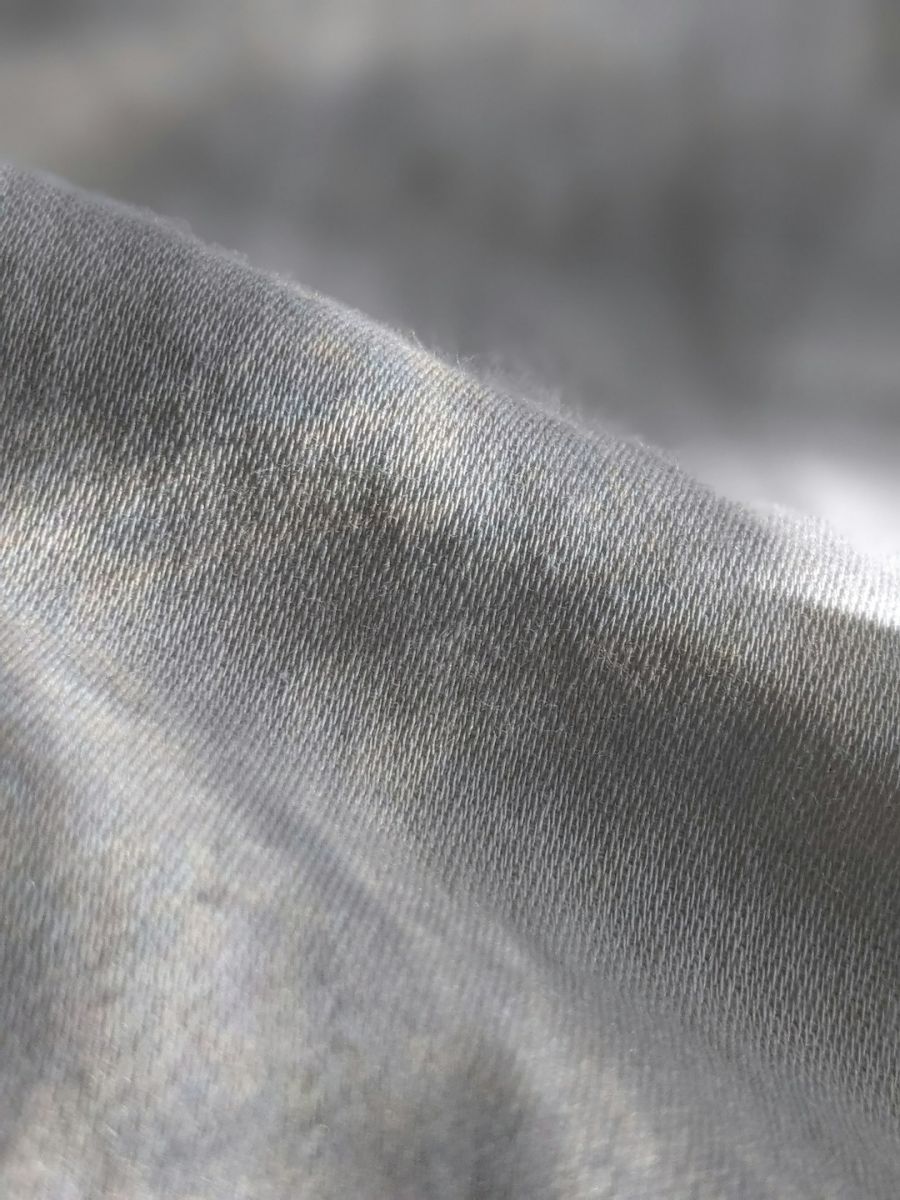 Cotton is a classic fabric that has been used for centuries in clothing, including medical uniforms. Its natural fibres make it soft and breathable, providing comfort throughout long shifts. The inherent qualities of cotton make it a preferred choice for those who prioritise comfort and natural materials in their work attire.
Moreover, the breathability of cotton helps regulate body temperature, which is crucial during high-pressure situations commonly encountered in healthcare settings.
This natural fabric is also versatile, making it suitable for various healthcare environments, from outpatient clinics to intensive care units.
Pros of Cotton
-
Breathability: Cotton is highly breathable, making it an excellent choice for warm environments or long shifts. This feature ensures that healthcare professionals remain cool and comfortable, even during the most demanding days.
-
Hypoallergenic: It's less likely to irritate sensitive skin, which is a crucial factor in healthcare settings. This makes it an ideal option for those with skin sensitivities or allergies.
-
Comfortable: Known for its softness, cotton scrubs provide a comfortable fit. This comfort can lead to increased satisfaction and focus among staff, enhancing their ability to provide quality patient care.
Cons of Cotton
-
Wrinkle-Prone: Cotton tends to wrinkle easily, which may require regular ironing to maintain a professional appearance.
This can add to the maintenance burden for busy healthcare staff.
-
Shrinkage: It can shrink after washing, potentially affecting the fit over time. This necessitates careful laundering practices to preserve the garment's original size and shape.
-
Less Durable: Compared to synthetic fabrics, cotton may not hold up as well to frequent washing and wear. This could lead to more frequent replacements, impacting long-term uniform budgets.
Polyester: Durability Meets Affordability
Polyester is a synthetic fabric known for its strength and affordability. It's a popular choice in the medical apparel industry due to its durability. This fabric stands up well to the rigorous demands of the healthcare environment, where frequent laundering and long shifts are the norm.
In addition to its durability, polyester's cost-effectiveness makes it an attractive option for healthcare facilities looking to balance quality with budget constraints.
Its resistance to stains and wear further enhances its appeal as a practical choice for medical settings.
Pros of Polyester
-
Durable: Polyester is resistant to wrinkles, shrinkage, and stretching, making it ideal for frequent washing. This durability ensures that uniforms maintain a neat appearance over time.
-
Cost-Effective: It tends to be more affordable than natural fabrics. This can make polyester a practical option for facilities needing to outfit large teams on a budget.
-
Stain-Resistant: Its synthetic nature makes it more resistant to stains. This feature is particularly advantageous in healthcare environments, where exposure to various substances is common.
Cons of Polyester
-
Less Breathable: Polyester may not be as breathable as natural fabrics, potentially causing discomfort in warmer conditions. This can impact the comfort levels of staff, particularly in non-air-conditioned environments.
* Static Build-Up: It can generate static electricity, which might be inconvenient in certain situations. This static charge can cause discomfort and affect the professional appearance of the uniform.
Cotton-Polyester Blends: The Best of Both Worlds
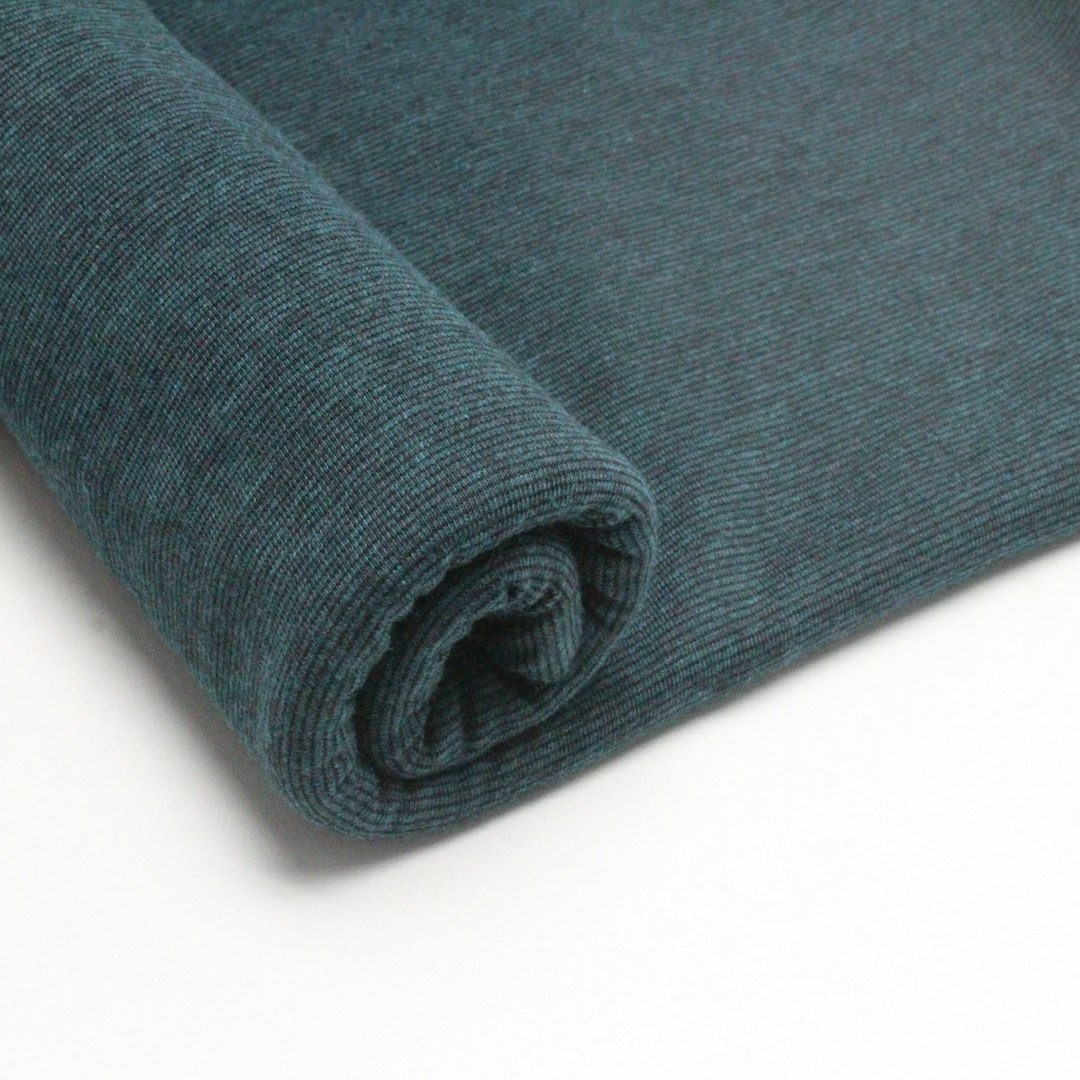 A cotton-polyester blend combines the best features of both fabrics, offering a balance between comfort and durability. These blends are engineered to maximise the strengths of both materials while minimising their weaknesses.
This hybrid fabric is particularly beneficial in environments where both appearance and performance are paramount. The blend's adaptability makes it suitable for a wide range of healthcare applications, from surgical scrubs to administrative attire.
Pros of Cotton-Polyester Blends
-
Balanced Comfort and Durability: These blends offer the softness of cotton and the strength of polyester.
This balance ensures that staff can move comfortably while maintaining a polished look.
-
Easy Care: They are less prone to wrinkling and shrinking compared to pure cotton. This ease of maintenance is a significant benefit for busy healthcare professionals.
-
Versatile: Suitable for various work environments due to their balanced properties. This versatility makes them a practical choice for facilities with diverse staff roles and needs.
Cons of Cotton-Polyester Blends
-
Breathability: While improved over pure polyester, the breathability may still not match that of 100% cotton. This can be a consideration in very warm or humid climates.
-
Price Variability: Depending on the blend ratio, the cost may vary. This variability requires careful consideration to ensure the best value for investment.
Spandex Blends: Flexibility and Fit
Spandex is often blended with other fabrics to add stretch, providing flexibility and a better fit, especially in form-fitting scrubs.
The inclusion of elastane in scrub fabrics is particularly valuable in settings requiring a high degree of physical activity.
These blends are designed to enhance the movement and comfort of healthcare professionals, allowing them to perform their duties without restriction. The added flexibility is particularly beneficial in roles that involve frequent bending and stretching.
Pros of Elastane Blends
-
Stretchy: Offers excellent flexibility, allowing for ease of movement during shifts. This flexibility supports the dynamic nature of healthcare work, where agility and quick responses are often necessary.
-
Fit: Provides a snug and flattering fit, enhancing the appearance of the uniform. This can contribute to a more professional and polished look, boosting staff confidence.
-
Comfort: The added stretch increases overall comfort. This ensures that staff remain comfortable throughout long shifts, which can improve focus and productivity.
Cons of Spandex Blends
-
Heat Retention: May retain heat more than other fabrics, which can be uncomfortable. This can be a drawback in warmer environments or for those sensitive to heat.
-
Care Requirements: Often requires specific washing instructions to maintain elasticity. This can add complexity to laundry routines, requiring staff to be mindful of care labels.
Making the Right Choice
Selecting the right scrub fabric involves considering the specific needs of your healthcare facility and staff. Here are some tips to guide your decision:
Consider the Work Environment
The work environment plays a crucial role in determining the most suitable fabric. For example, in a climate-controlled hospital, cotton-polyester blends may offer the perfect balance of comfort and durability. However, in warmer settings, 100% cotton could be more beneficial due to its breathability.
Additionally, consider the specific departments within your facility.
For instance, surgical teams may benefit from spandex blends for added mobility, while administrative staff might prefer the classic comfort of cotton. Tailoring fabric choices to departmental needs can enhance overall staff satisfaction.
Evaluate Staff Needs
Understanding the preferences and needs of your staff can help in selecting the right fabric. Conduct surveys or gather feedback to learn what your team values most in their scrubs, such as comfort, fit, or ease of care. Engaging with staff in this manner not only informs your decision but also fosters a sense of inclusion and respect for their opinions.
Furthermore, consider any specific requirements related to allergies or sensitivities, as these can significantly impact staff comfort. By prioritising staff input, you can ensure that the chosen uniforms meet the practical and personal needs of your team.
Balance Cost and Quality
While budget constraints are always a consideration, investing in higher-quality scrubs can lead to better staff satisfaction and the longevity of the uniforms. Consider long-term costs and benefits when evaluating scrub fabric options. High-quality fabrics may have a higher upfront cost but can result in savings over time due to reduced replacement needs.
Evaluate the return on investment by considering factors such as staff retention and performance. Comfortable and durable uniforms can enhance job satisfaction, reducing turnover and associated recruitment costs.
Test and Trial
Before making a bulk purchase, consider ordering samples of different fabrics for your staff to try. This can provide valuable insights into comfort levels and overall satisfaction. A trial period allows for a practical evaluation of how the fabrics perform in real-world settings.
Encourage staff feedback during this trial phase to identify any issues or preferences.
This approach not only ensures the best fabric selection but also demonstrates a commitment to providing quality workwear for your team.
Conclusion
Choosing the right scrub fabric is essential for ensuring the comfort and satisfaction of your healthcare staff. By understanding the pros and cons of each fabric type and considering the specific needs of your facility, you can make informed decisions that benefit both your team and your budget.
Investing time in selecting the right fabrics not only enhances staff performance and morale but also positions your healthcare facility as a place that values quality and comfort. With the right choices, you can foster a professional and comfortable work environment for your dedicated healthcare professionals. This investment in staff well-being can lead to improved patient care and a more cohesive healthcare team.